Rapafusyn Pharmaceuticals — Leader in Non-Degrading Molecular Glue Discovery — Closes Oversubscribed Series A at $44 Million
Baltimore, MD, September 4 — Rapafusyn Pharmaceuticals, a leader in the discovery and development of non-degrading molecular glue therapies, announced the closing of its oversubscribed Series A financing, with the addition of new investors BioTrack Capital and Yonjin Capital. Total Series A funding raised reached $44 million, including the $28 million previously committed. BioTrack Capital and Yonjin Capital join other distinguished Series A investors including 3E Bioventures Capital, Proxima Ventures, and Lapam Capital.
(See Innovative Startup! $28M Series A to Develop Non-Degrading Molecular Glue Drugs)

Rapafusyn was co-founded by molecular glue pioneer Dr. Jun O. Liu, Professor of Pharmacology and Molecular Sciences at Johns Hopkins University School of Medicine. Jiangsu Tianqin Investment provided initial seed funding.
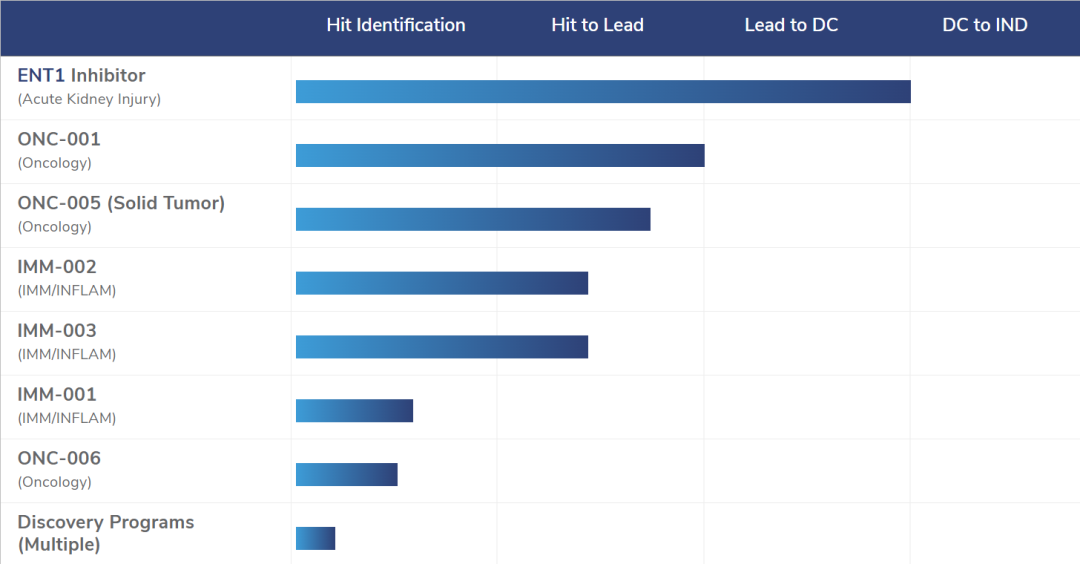
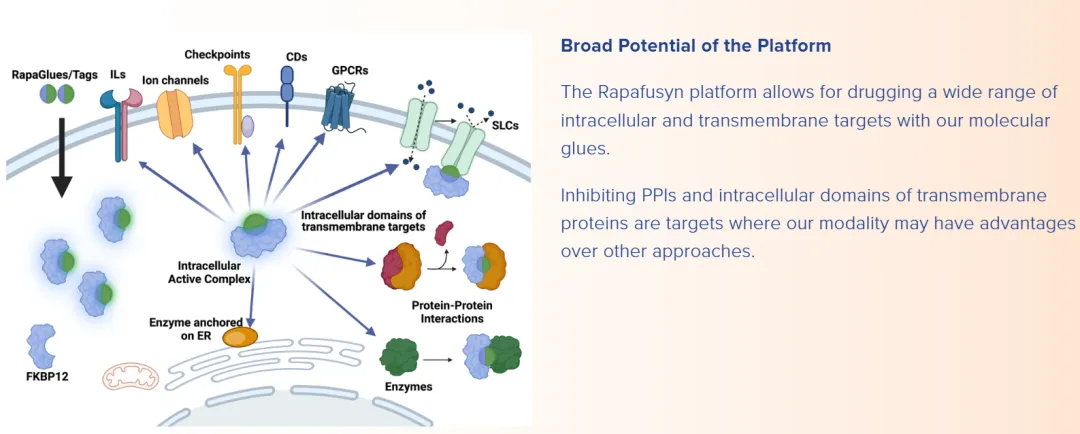
The financing accelerates the development of Rapafusyn's broad pipeline by leveraging RapaGlues™ — a breakthrough non-degrading molecular platform that can address challenging or previously undruggable disease targets, tackling unmet medical needs across oncology, immunology, kidney disease, and pain.
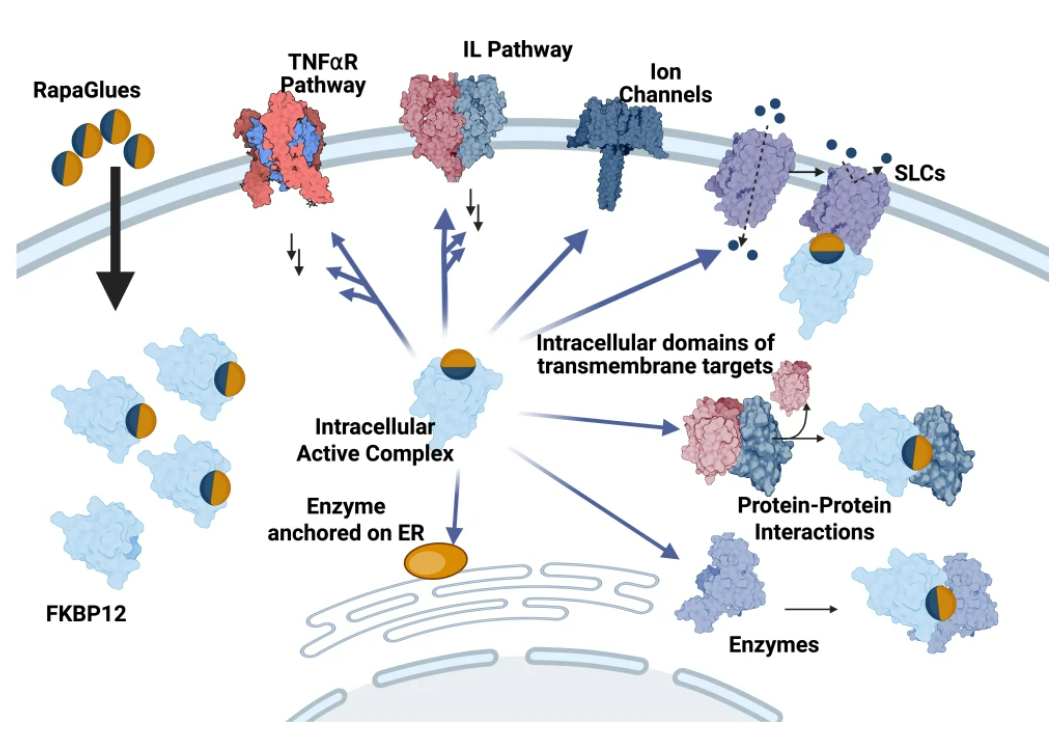
The RapaGlue™ platform has demonstrated the ability to produce highly cooperative, non-degrading molecular glues with high cell-membrane permeability, modulating protein-protein interactions, transcription factors, SLCs/transporters, ion channels, enzymes, and more. Rapafusyn integrates innovative machine learning (ML) / AI methods as a core part of target selection and candidate optimization, achieving industry-leading success rates in identifying chemistries against difficult-to-drug targets. Rapafusyn's lead program — a selective ENT1 inhibitor — is advancing toward IND-enabling studies after demonstrating compelling activity in kidney disease models, providing strong validation of the RapaGlue™ platform's therapeutic potential. Rapafusyn also collaborates with global pharma partners, leveraging its DNA-encoded library of more than 8 billion non-degrading molecular glues.
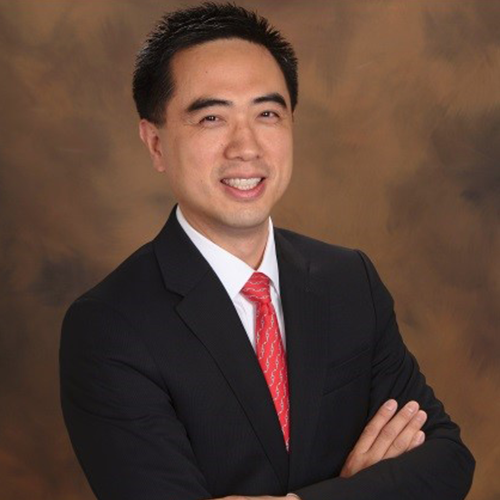
Sean Hu, PhD, President and CEO of Rapafusyn: "With the successful close of our Series A, we have the resources to advance the RapaGlue™ platform and accelerate our mission to deliver transformative therapies to patients in need. We are excited to welcome BioTrack Capital and Yonjin Capital to this round."
Qianye Liu, PhD, Founding Partner of 3E Bioventures Capital: "Rapafusyn and the RapaGlue™ platform are rewriting the possibilities of drug discovery with a new class of macrocyclic molecules. I am excited that the platform is reaching previously untreatable targets — beyond traditional small molecules and recent degrader technologies."
Professor Jun O. Liu's research interests sit at the interface of chemistry, biology, and medicine. Inspired by bioactive natural products, his lab designs and synthesizes macrocyclic libraries. Cell-based and target-based high-throughput screening of small-molecule libraries — including the Johns Hopkins Drug Library and natural-product-inspired macrocyclic libraries — identifies modulators of cellular processes and pathways involved in human diseases ranging from cancer to autoimmune disease. Once active inhibitors are identified, they serve as both probes for the biological process of interest and lead compounds for the development of novel therapeutics. Biological processes of interest include cancer cell growth and apoptosis, angiogenesis, signal transduction, and eukaryotic transcription and translation.
Rapafusyn is developing rapadocin, an Equilibrative Nucleoside Transporter 1 (ENT1) inhibitor, with the potential to treat reperfusion kidney injury. Researchers at Johns Hopkins University created and screened a 45,000-compound library through a strategic search. All compounds contain chemical elements widely used in immune-system inhibitors. The team identified compounds that may help prevent reperfusion injury — a damaging and common surgical complication — as well as heart attacks, strokes, and related complications.
In 1991, Dr. Jun Liu, together with Professor Stuart Schreiber and colleagues at Harvard University, pioneered the discovery of the molecular glue mechanism for FK506 and Cyclosporin A — laying the foundation for the field of non-degrading molecular glues.